Conference Report: “The Challenges of Hostile Epistemology”
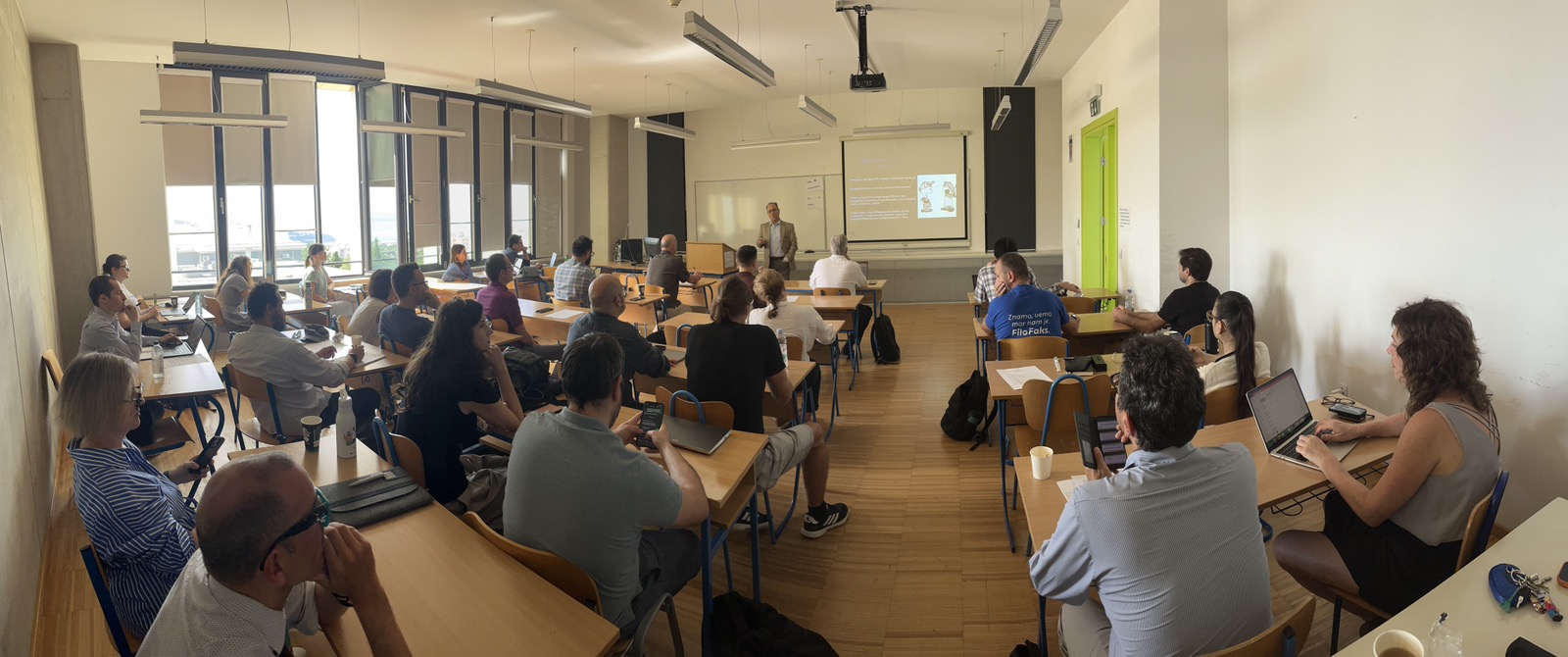
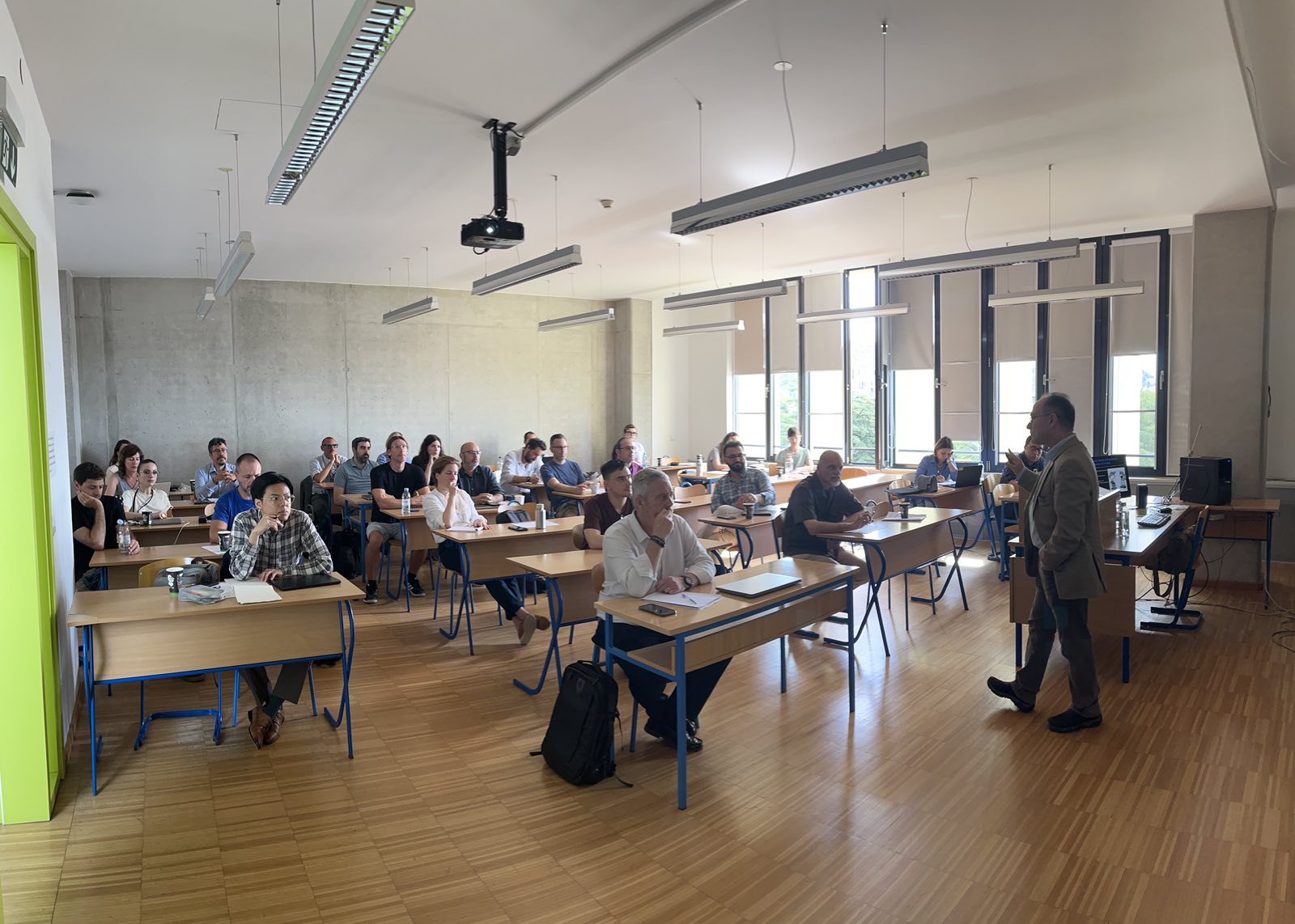
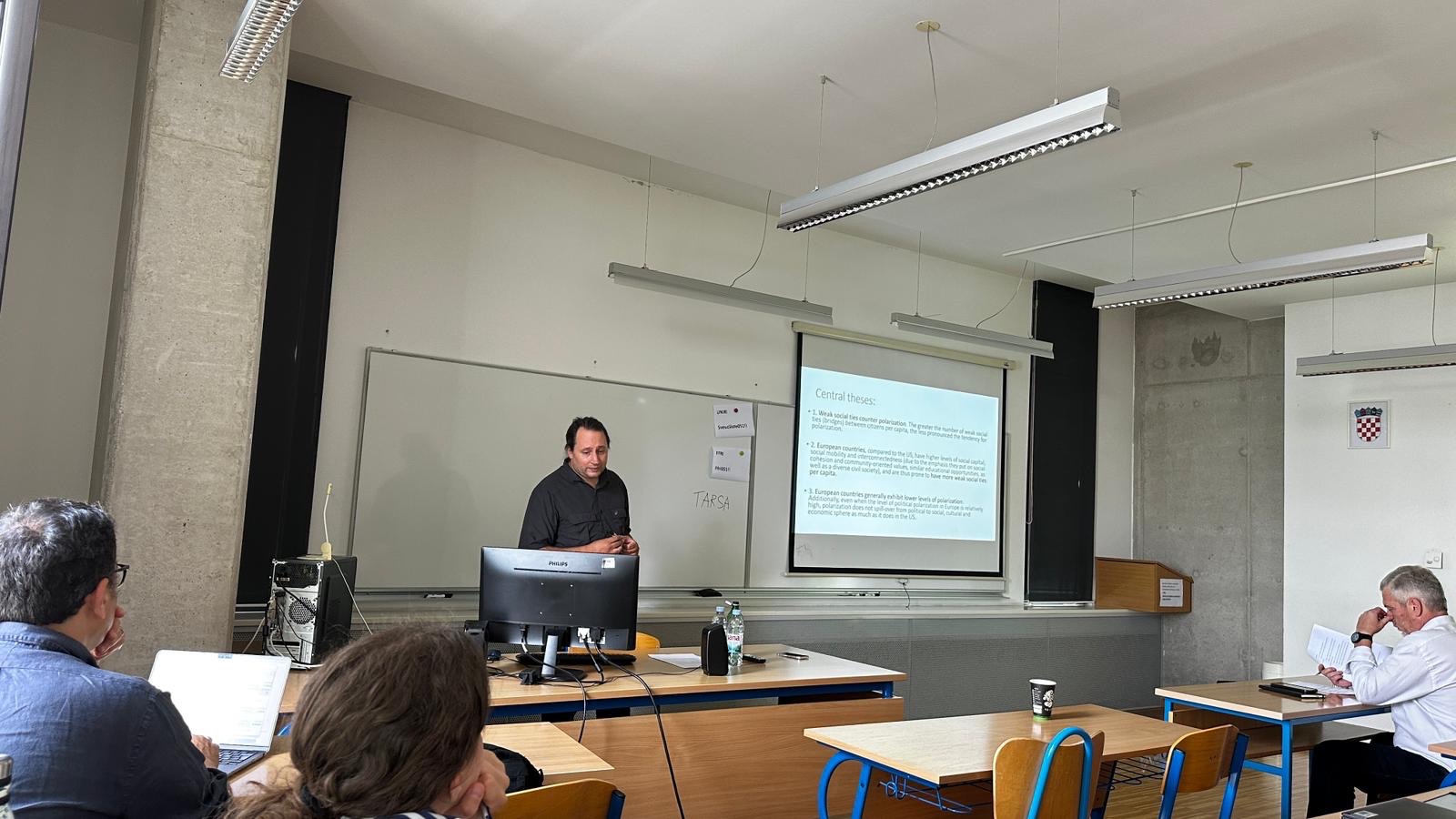
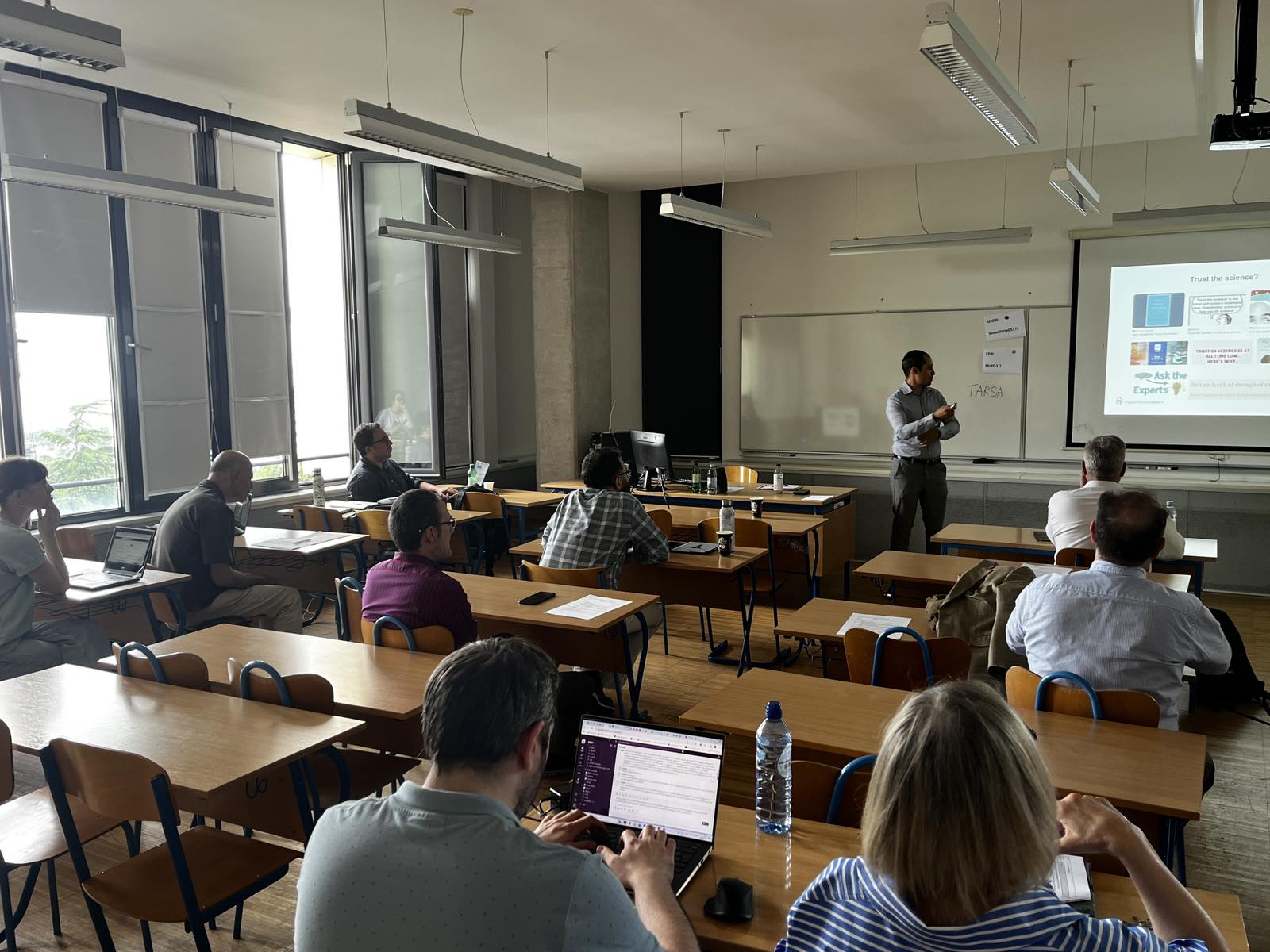
On 18–19 June 2026, the Faculty of Humanities and Social Sciences at the University of Rijeka hosted the international conference The Challenges of Hostile Epistemology, bringing together scholars from Europe, North America, and Asia for two days of keynote lectures, research presentations, and discussion.
The conference addressed the epistemic challenges confronting contemporary democratic societies, with particular attention to misinformation, polarization, conspiracy theories, hostile informational environments, and the growing influence of digital technologies. The programme approached these issues from a range of philosophical and interdisciplinary perspectives, including questions of democratic self-correction, epistemic trust, civic disagreement, journalism and institutional responsibility, digital epistemocracy, artificial intelligence and disinformation, and the effects of algorithms on democratic life.
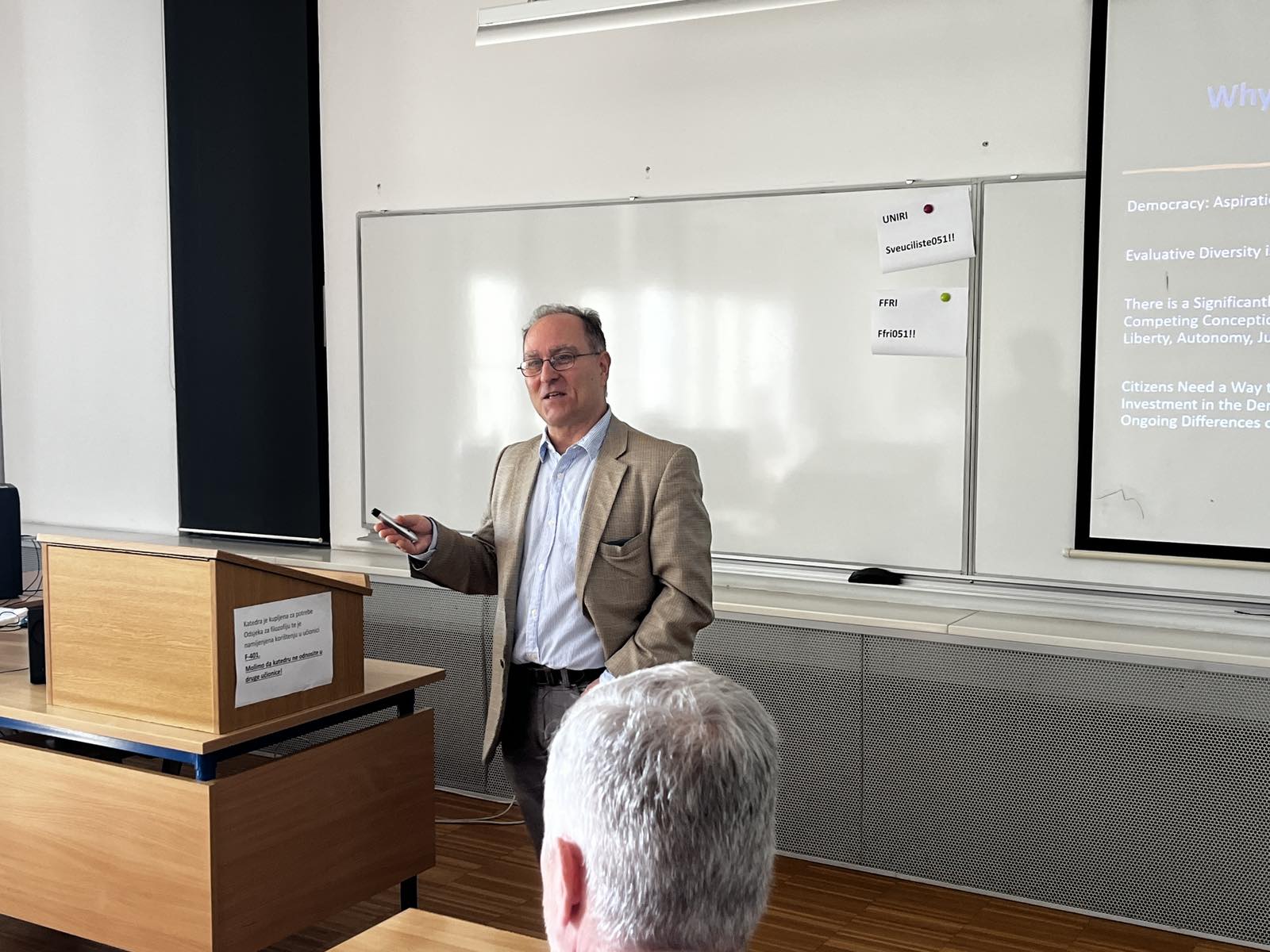
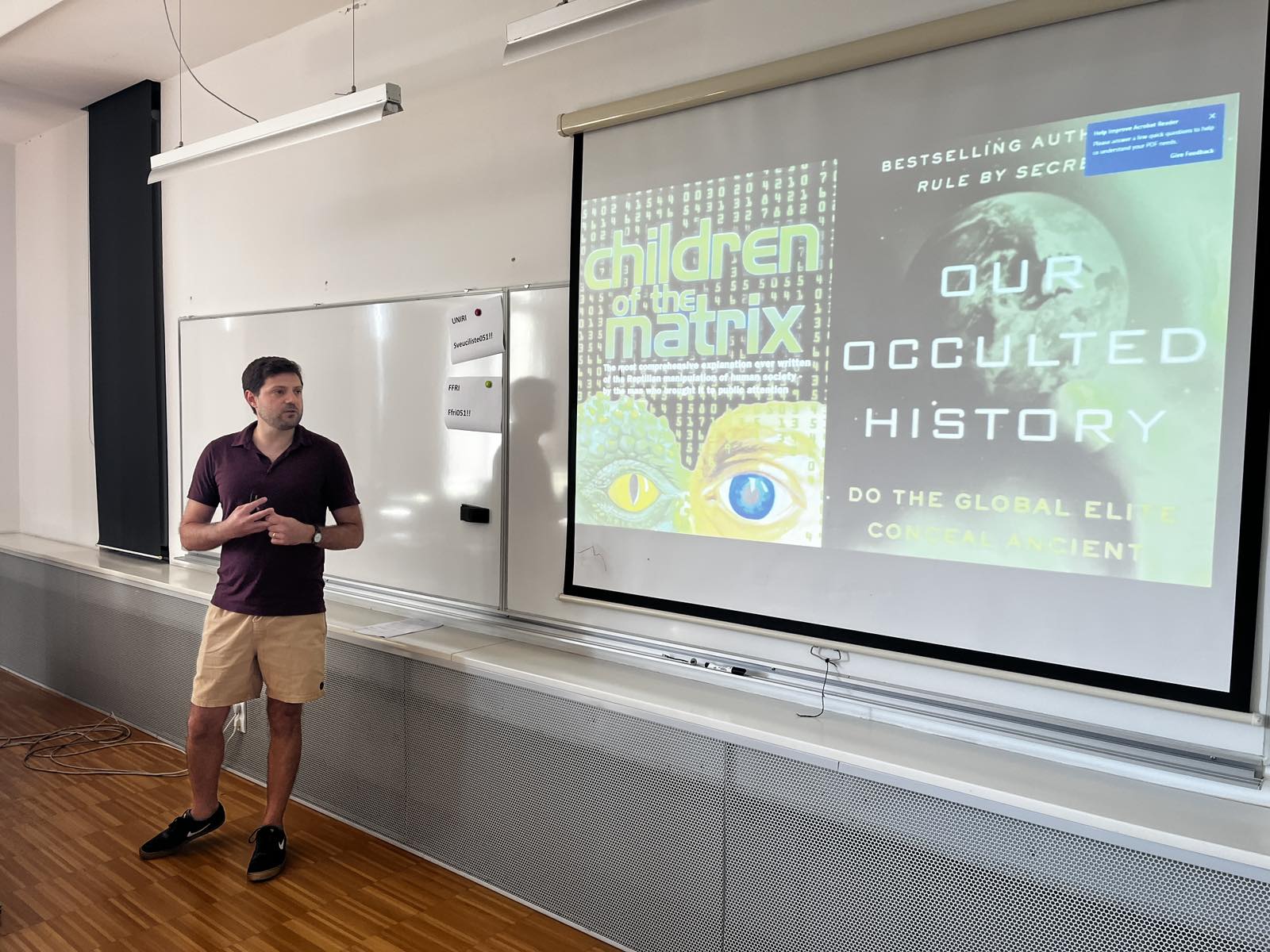
The conference featured two keynote lectures. On the first day, Robert Talisse (Vanderbilt University) delivered The Real Problem of Civility, examining the place and limits of civility in democratic life. On the second day, Chris Ranalli (VU University Amsterdam) gave the keynote Liberalism and the Many Faces of Conspiracy Theorizing, addressing conspiracy theorizing in relation to liberal political thought.
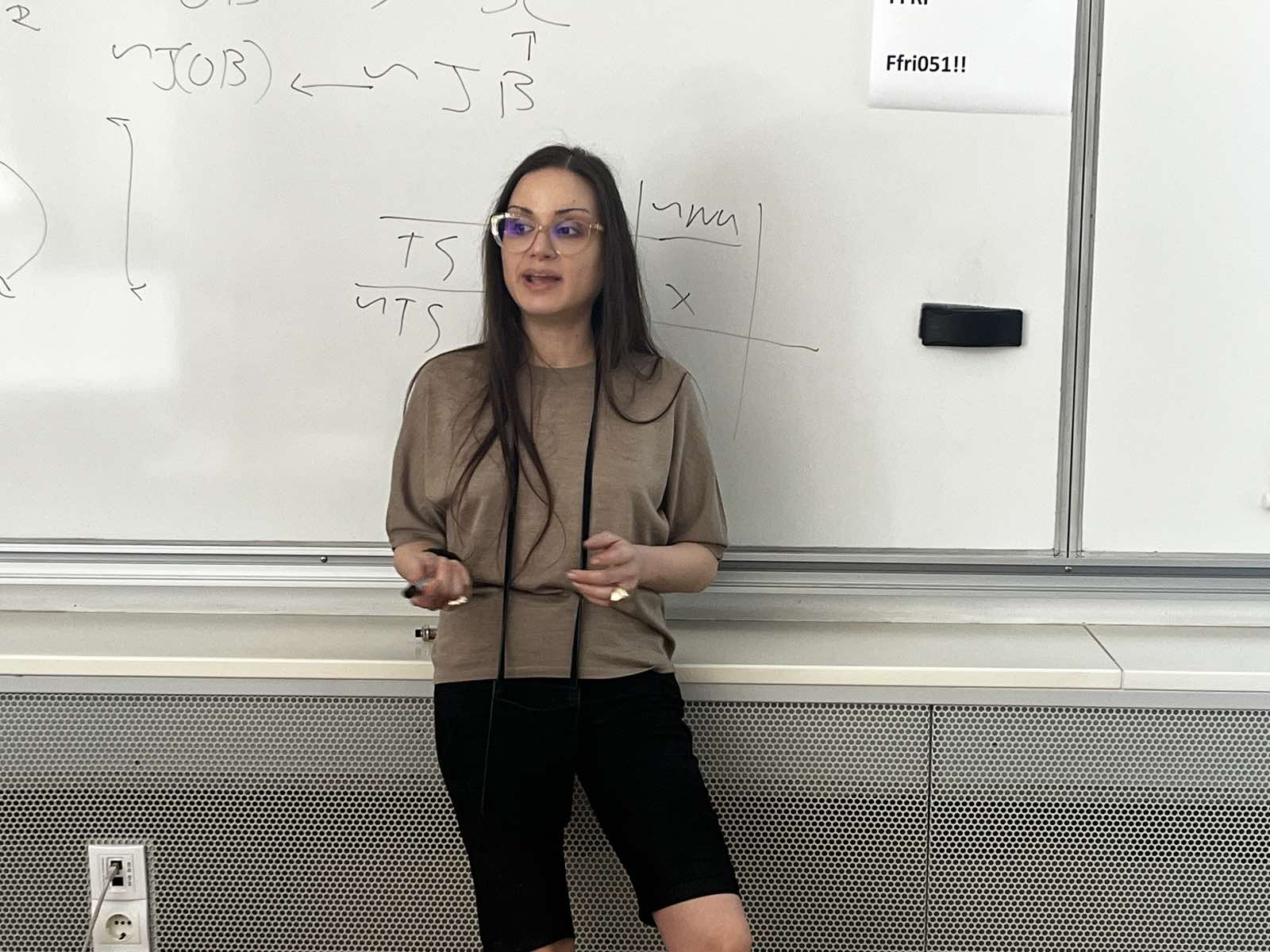
The wider programme reflected the conference’s broad understanding of hostile epistemology. Presentations considered science denial and the limits of democratic self-correction, the social foundations of democratic citizenship, epistemic trust, affective polarization, journalism and epistemological skills, testimony in the internet age, and the rationales underlying political judgments. The second day turned more explicitly toward digital environments, with discussions of digital epistemocracy, generative AI and disinformation, the transformation of epistemic trust, algorithmic processes in democratic life, and critical approaches to epistemic vice.
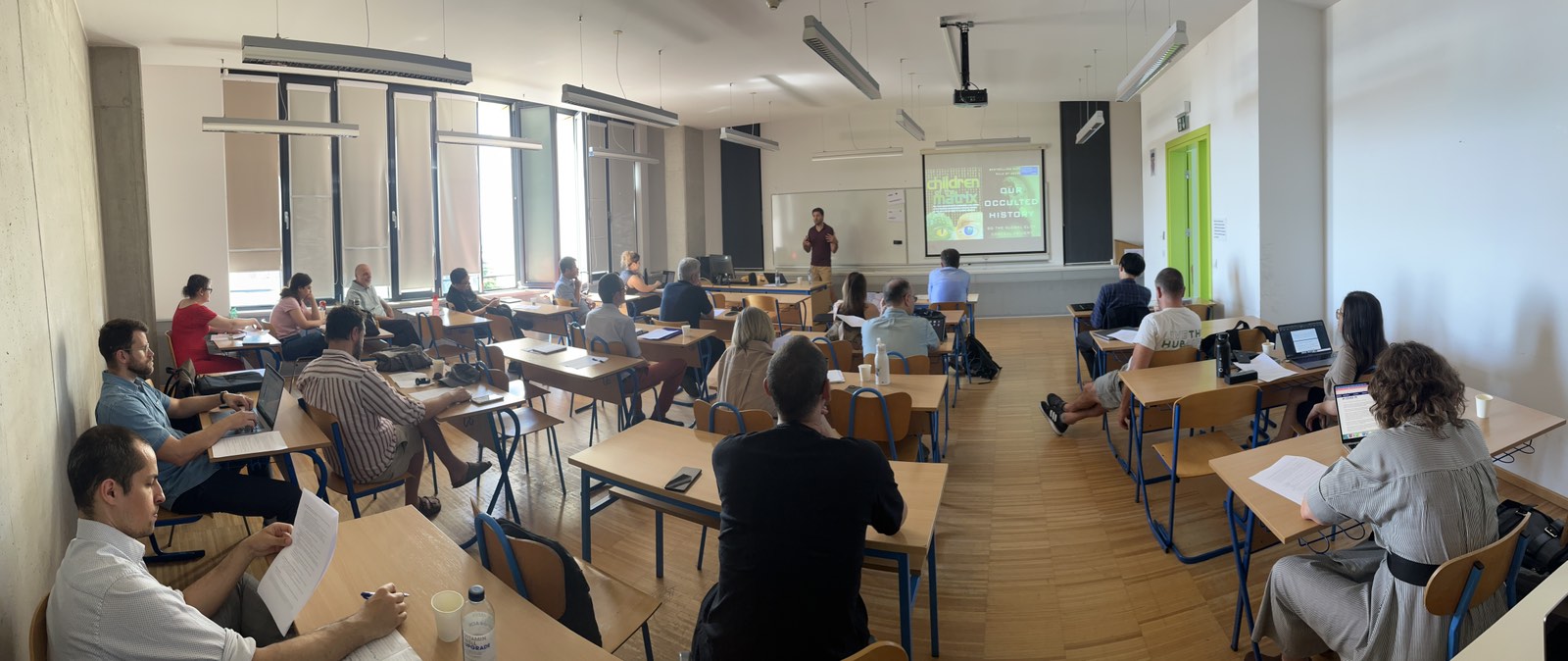
The conference was successfully completed and provided an opportunity for sustained exchange among researchers working on related questions across different areas of epistemology, political philosophy, media studies, and democratic theory. The discussions also opened possibilities for further collaboration beyond the conference itself.
As a follow-up to the event, we are currently discussing the possibility of publishing a collected volume featuring selected papers from the conference. Such a volume would provide an opportunity to develop several of the themes explored in Rijeka and to make the conference’s contributions available to a wider scholarly audience.